Perforated Aluminum Cladding: Advanced Architectural Solutions for Sustainable Building Design

All Categories

Get a Free Quote

Our representative will contact you soon.
Email
Name
Company Name
Message
0/1000

perforated aluminum cladding

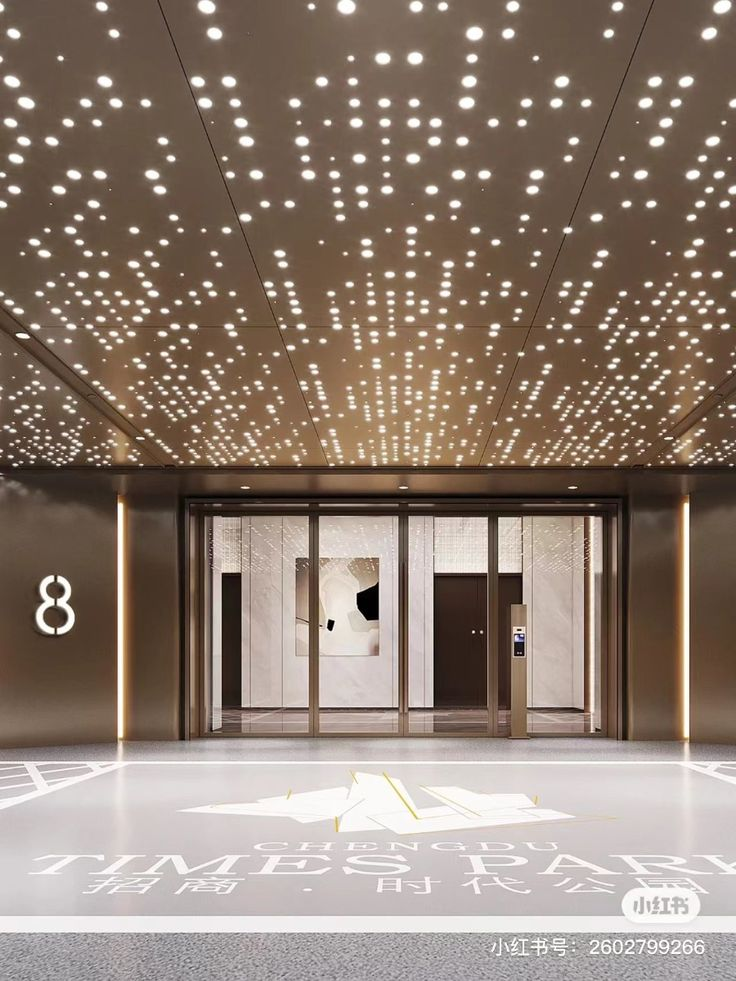
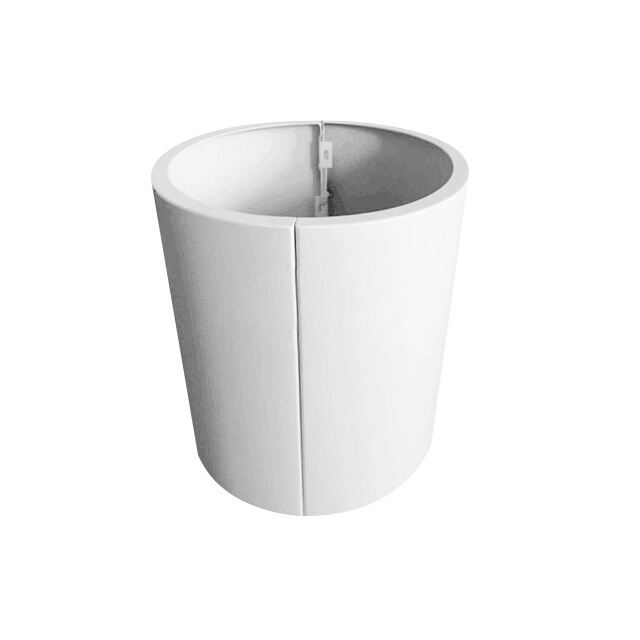
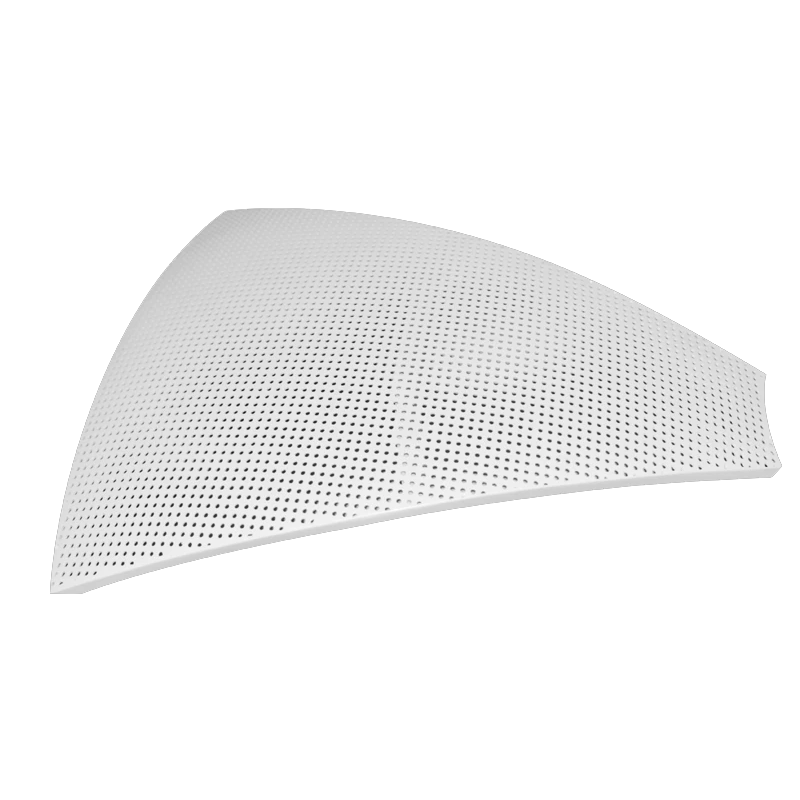
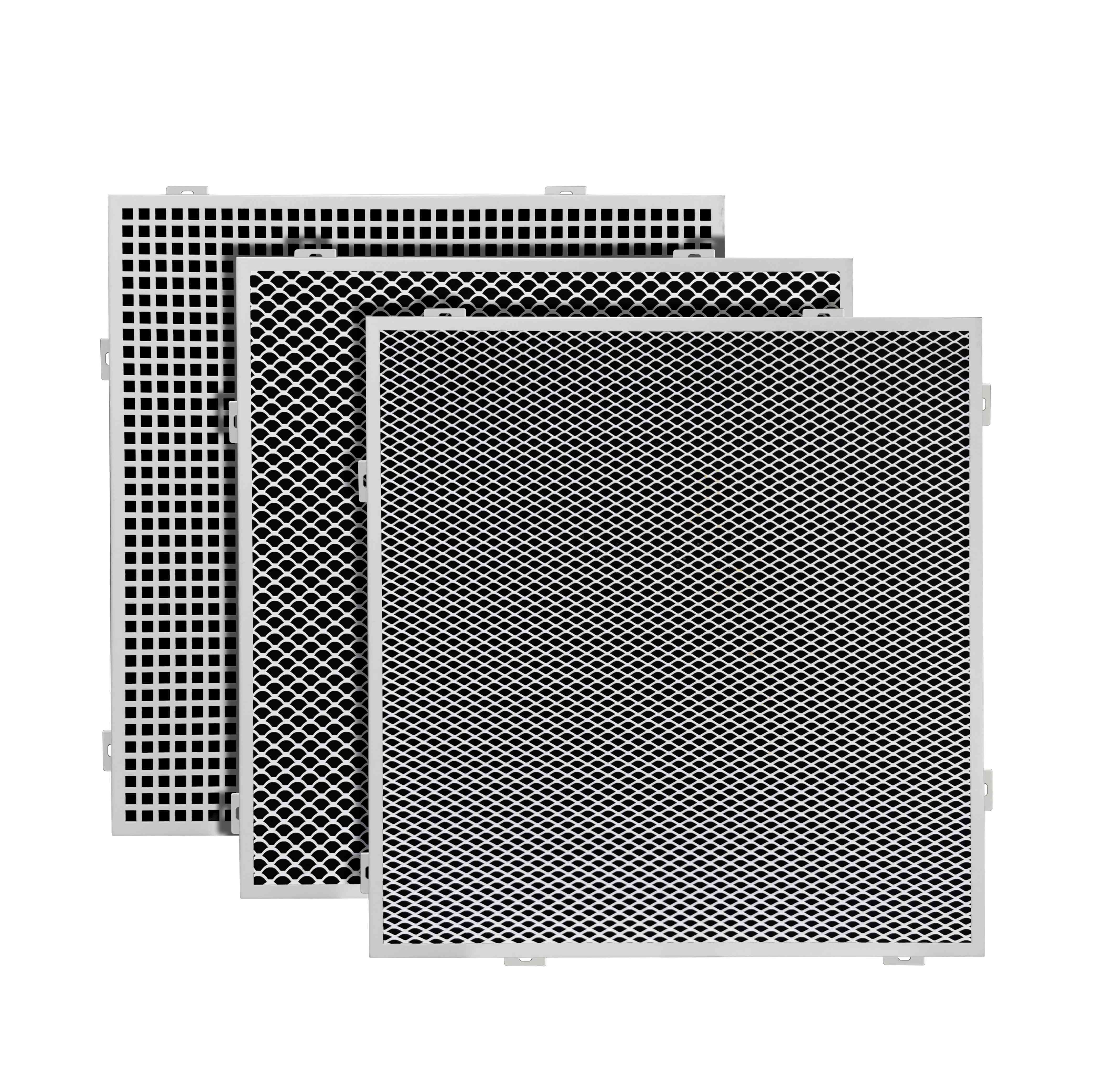
Perforated aluminum cladding represents a cutting-edge architectural solution that combines aesthetic appeal with functional excellence. This innovative building material consists of aluminum panels featuring precisely engineered perforations that create visually striking patterns while serving multiple practical purposes. The panels are manufactured using advanced CNC technology, ensuring consistent perforation patterns and maintaining structural integrity. These panels typically range from 2mm to 4mm in thickness and can be customized with various perforation sizes, patterns, and spacing to meet specific project requirements. The cladding system includes sophisticated mounting mechanisms that allow for easy installation and maintenance while ensuring proper ventilation and drainage. The aluminum composition offers natural corrosion resistance, while the perforations facilitate air circulation, light filtration, and acoustic management. This versatile material finds applications in both exterior and interior architectural designs, from commercial buildings and parking structures to residential developments and cultural institutions. The system's ability to create dynamic facades that interact with light and shadow makes it particularly popular in contemporary architecture, where it serves both practical and aesthetic functions.

New Products

Perforated aluminum cladding offers numerous compelling advantages that make it an exceptional choice for modern construction projects. First and foremost, its lightweight nature significantly reduces the structural load on buildings while maintaining robust durability. The material's inherent resistance to corrosion eliminates the need for frequent maintenance, resulting in lower long-term ownership costs. The perforation design promotes natural ventilation, creating an energy-efficient building envelope that helps regulate interior temperatures and reduce HVAC costs. Additionally, these panels excel in managing natural light, allowing controlled daylight penetration while providing solar shading, which contributes to improved energy efficiency. The customizable perforation patterns offer architects unprecedented creative freedom, enabling them to design unique facades that can transform a building's appearance. From a practical standpoint, the panels are easy to install and replace, reducing construction time and labor costs. The material's fire-resistant properties enhance building safety, while its acoustic properties help manage sound transmission. Environmental sustainability is another key advantage, as aluminum is fully recyclable and requires minimal maintenance throughout its lifecycle. The system's modular nature allows for easy integration with various building designs and can be adapted to meet specific project requirements. Furthermore, the durability of aluminum ensures a long service life, making it a cost-effective solution for both new construction and renovation projects.

Tips And Tricks

Get a Free Quote

Our representative will contact you soon.
Email
Name
Company Name
Message
0/1000

perforated aluminum cladding

Superior Environmental Performance

Superior Environmental Performance

Perforated aluminum cladding stands at the forefront of sustainable building solutions, offering exceptional environmental performance that sets it apart from traditional cladding materials. The system's design naturally enhances building energy efficiency through its ability to regulate solar gain and promote passive ventilation. The perforated panels create a microclimate between the building's exterior wall and the cladding, acting as a thermal buffer that reduces heating and cooling demands. This natural ventilation system can lead to energy savings of up to 30% compared to conventional cladding systems. The material itself is environmentally responsible, with aluminum being one of the most recyclable building materials available, capable of being recycled indefinitely without losing its properties. The manufacturing process incorporates up to 75% recycled content, significantly reducing the carbon footprint of construction projects.
Advanced Aesthetic Versatility

Advanced Aesthetic Versatility

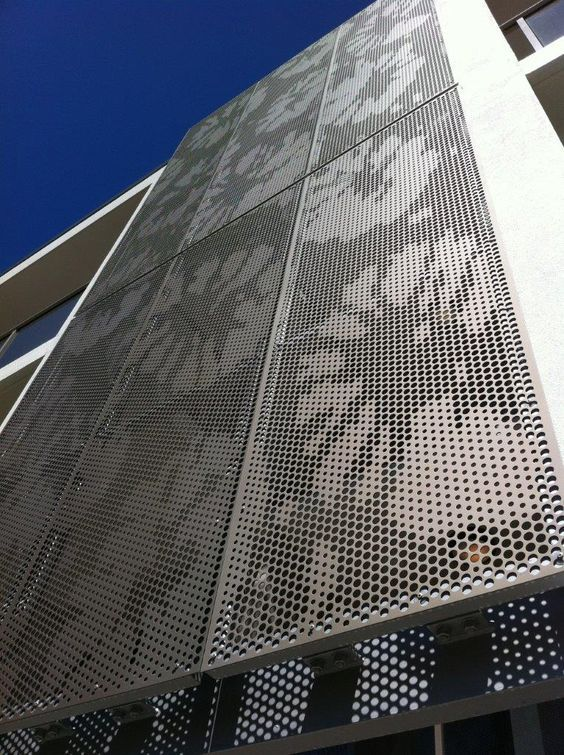
The artistic possibilities offered by perforated aluminum cladding are virtually limitless, making it a preferred choice for architects seeking to create distinctive visual statements. The technology allows for precise control over perforation size, pattern, and density, enabling the creation of intricate designs that can transform buildings into architectural masterpieces. These patterns can range from simple geometric shapes to complex artistic expressions, with the ability to incorporate logos, text, or custom designs. The interaction between light and shadow creates dynamic facades that change appearance throughout the day, adding an element of visual interest that conventional cladding materials cannot match. The finish options are equally versatile, including anodized, powder-coated, and metallic surfaces, each offering different aesthetic effects and durability levels.
Exceptional Structural Integration

Exceptional Structural Integration

The engineering behind perforated aluminum cladding demonstrates remarkable structural integration capabilities that enhance overall building performance. The system's lightweight nature, typically weighing 50-70% less than traditional cladding materials, reduces the load on the building's structure while maintaining exceptional strength and rigidity. The mounting system incorporates sophisticated brackets and fasteners that allow for thermal expansion and contraction, preventing warping or stress on the panels. The perforation pattern is carefully engineered to maintain structural integrity while optimizing performance factors such as wind load resistance and acoustic properties. The system also includes built-in drainage channels and pressure equalization features that effectively manage water infiltration and air pressure differentials, protecting the building envelope from weather-related damage.